
Acrylic is one of those materials that people recognize instantly but rarely understand. It looks like glass, feels lighter, and shows up in everything from store displays to high-end signage and custom plaques. What makes it valuable is not just the way it looks, but how consistently it performs.
At its core, acrylic is a type of plastic. The technical name is polymethyl methacrylate, but that is only relevant in manufacturing. In practical terms, it is a clear, solid material designed to offer the visual clarity of glass without the weight or the risk of shattering. This alone makes it a strong choice for products that need to look sharp while staying durable.
The process of creating acrylic starts with a liquid chemical compound. Through a controlled reaction, that liquid is transformed into a solid sheet. This process is precise and repeatable, which means every sheet of acrylic comes out consistent. Unlike natural materials, there are no hidden flaws, no grain variations, and no weak points. That level of control is one of the reasons acrylic is trusted in applications where accuracy matters.
Clarity is one of acrylic’s strongest advantages. It allows light to pass through cleanly, giving it a bright and polished appearance. This is why it is often used in place of glass. At the same time, it is significantly lighter, which makes it easier to handle and install. More importantly, it does not break in the same way glass does. Instead of shattering into sharp pieces, acrylic holds together, making it a safer and more practical option.
Another reason acrylic is widely used is its stability. It holds its shape under normal conditions and does not warp or deform easily. It also handles moisture without absorbing it, which means it does not swell or break down over time. This makes it suitable for both indoor and outdoor use, especially in applications like plaques that are exposed to changing environments.
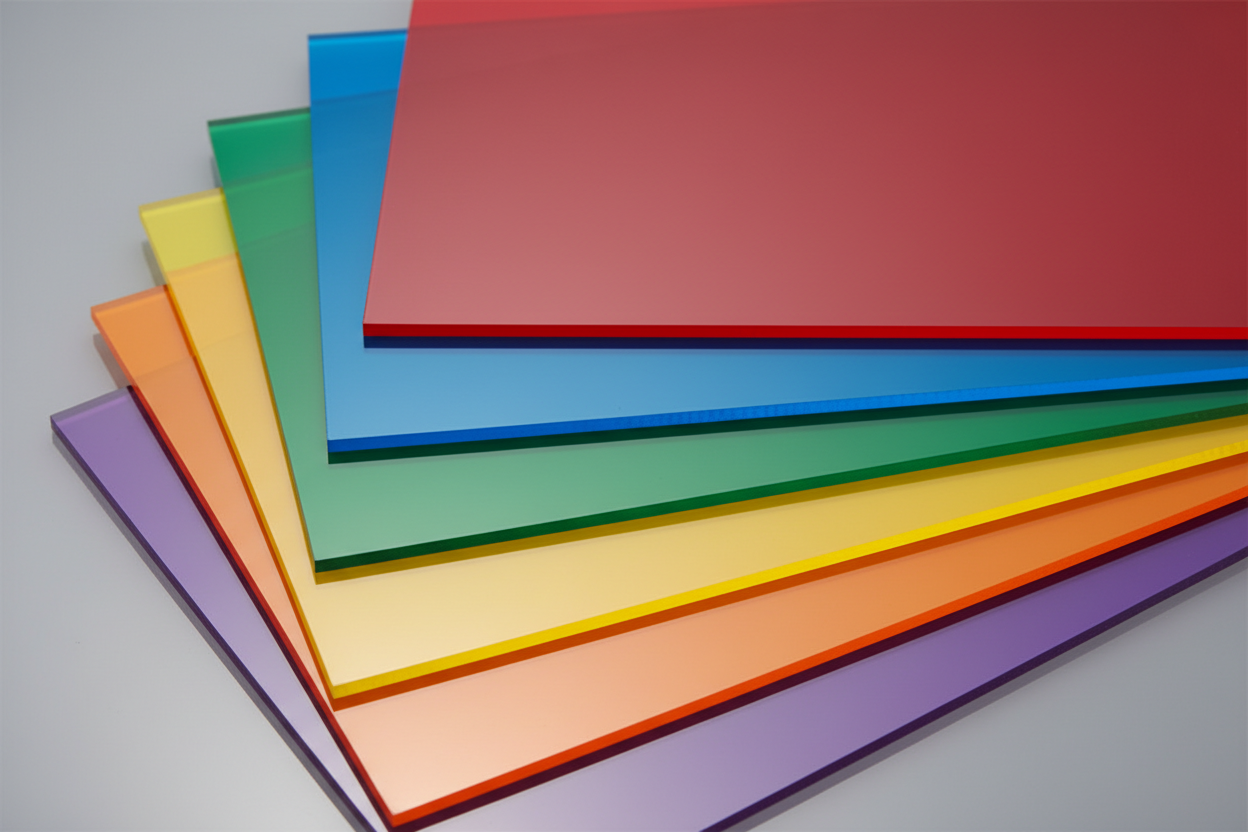
From a design perspective, acrylic offers a level of flexibility that is difficult to match. It can be produced in a wide range of colors, from fully transparent to completely solid. It can also be manufactured with different finishes, including glossy, matte, frosted, and reflective surfaces. These finishes are not just surface treatments. They are built into the material itself, which allows them to maintain their appearance over time.
There are also different grades of acrylic, and this is where quality begins to show. Cast acrylic is produced in a way that results in a cleaner, more refined material. It cuts better, engraves more clearly, and delivers a sharper final result. Extruded acrylic, while more affordable, is produced in a faster, more industrial process and does not achieve the same level of detail. For products where appearance matters, the difference is noticeable.
In the context of custom plaques, acrylic is not just chosen because it looks good. It is chosen because it works. It provides a clean surface, consistent quality, and the ability to produce precise designs without compromise. When combined with proper design and assembly, it becomes a material that delivers both visually and structurally.